


I am constantly amazed by how, when I’m given the chance to explain citizens’ assemblies, eyes brighten. Young people especially get fired up with some hope that there’s a better way to do democracy.
But can deliberative democracy catch on fast enough to deliver an improved system of taking big, moral decisions in the public interest?
Authoritarian ideas and far-right populists seem far ahead in the race to supersede old-fashioned parliaments. Ironically, proponents of such top-down leadership are often exploiting the frustration with the status quo shared by many: the poor performance of a system of politicians chosen in elections dominated by money, charismatic personalities and tiny and unrepresentative political parties.
But the race is not over. Citizens’ assemblies are increasingly being endorsed by the best kinds of influencers, thought leaders and celebrities. It may be happening too slowly, but the idea is catching on of randomly selected, ordinary citizens meeting in well-organised groups to take briefings, deliberate and agree on common-sense policy choices that a supermajority supports.
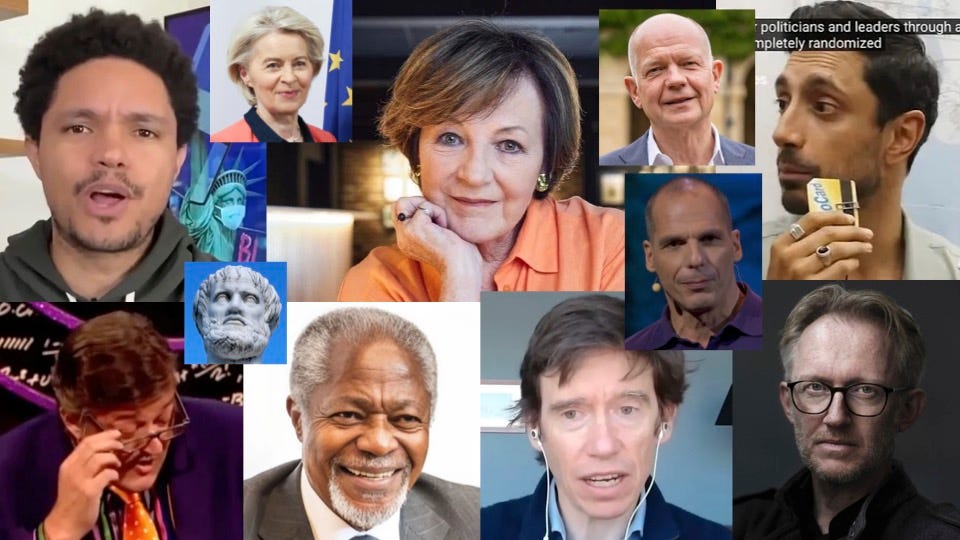
Here is my informal list of the famous people who have spoken up for the cause of sortition by that name or however they’ve chosen to define it: deliberative democracy, citizens’ assemblies, lottocracy or democracy by lot. Interestingly, the idea clearly appeals to people from both the left and the right of the traditional political spectrum. The names are ordered from the most recent on the top of the document to the oldest on the bottom.
Yanis Varoufakis, former minister of finance of Greece
William Hague, Chancellor of Oxford University, former UK foreign minister and ex-leader of the Conservative Party
Delia Smith, author, cook and television presenter
Jimmy Wales, American founder of Wikipedia
Alexandre Helson, seventh-generation chief of Maison Dandoy, the fine Belgian biscuit makers
Riz Ahmed, British actor
Rory Stewart, British podcaster and former Conservative minister
Alastair Campbell, British podcaster and former Labour spokesman
Stephen Fry, British author and comedian
Ursula von der Leyen, President of the European Commission and German politician
Sir Mark Rylance, British actor
Malcolm Gladwell, Canadian journalist, author and public speaker
Trevor Noah, South African-American stand-up comedian
Kofi Annan, late former UN Secretary-General
David Van Reybrouck, best-selling Flemish author and philosopher laureate of the Low Countries
Scroll down to see their comments. Also included lower down is a tongue-in-cheek take-down of electoral systems in the British 1980s hit sitcom Yes, Prime Minister. At the end is a list of pro-deliberative democracy quotes from the pre-modern era, from Aristotle to GK Chesterton, culled from my late father Maurice Pope’s posthumous book The Keys to Democracy.
I apologise in advance for this somewhat male and anglo-centric list. Please do comment or message me to add well-known people from all over the world making endorsements that I’ve missed, and I’ll put them in. I’m certainly hoping the document will get much longer. Bookmark this article and let’s hope it grows.
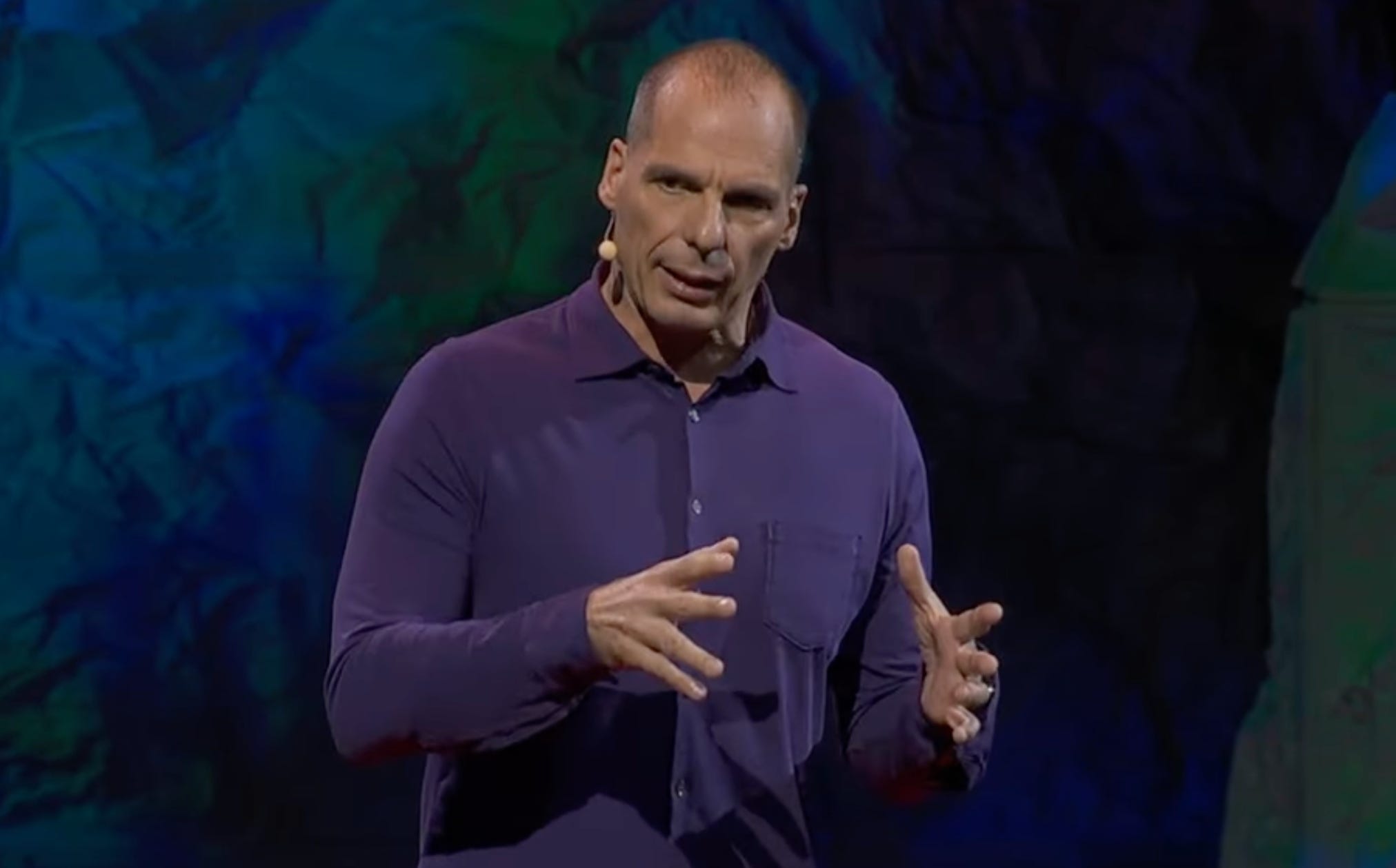
Yanis Varoufakis
Leader of MeRA25, a former finance minister of Greece and author of Technofeudalism: What Killed Capitalism.
We can move beyond the capitalist model and save the climate – here are the first three steps, The Guardian 12 February 2026. Written with Jason Hickel, professor at the Autonomous University of Barcelona and a visiting senior fellow at LSE,
There are three necessary conditions for the transformation of our economy from a dead-end dictatorship into a functioning and ecologically sound democratic one.
The first condition is a new financial architecture that penalises destructive private “investments” and enables public finance for public purposes. At the heart of this architecture we need a new public investment bank that, in association with the central banks, converts available liquidity into the types of investment consistent with common, sustainable prosperity.
The second condition is the extensive use of deliberative democracy to decide sectoral, regional and national goals (eg regarding the growth or even winding down of different outputs) towards which the new public finance tools will be aimed.
And the third condition is a Great Corporate Reform Act for the purpose of democratising corporations, favouring and promoting the formation of companies run along the lines of one employee, one share, one vote.
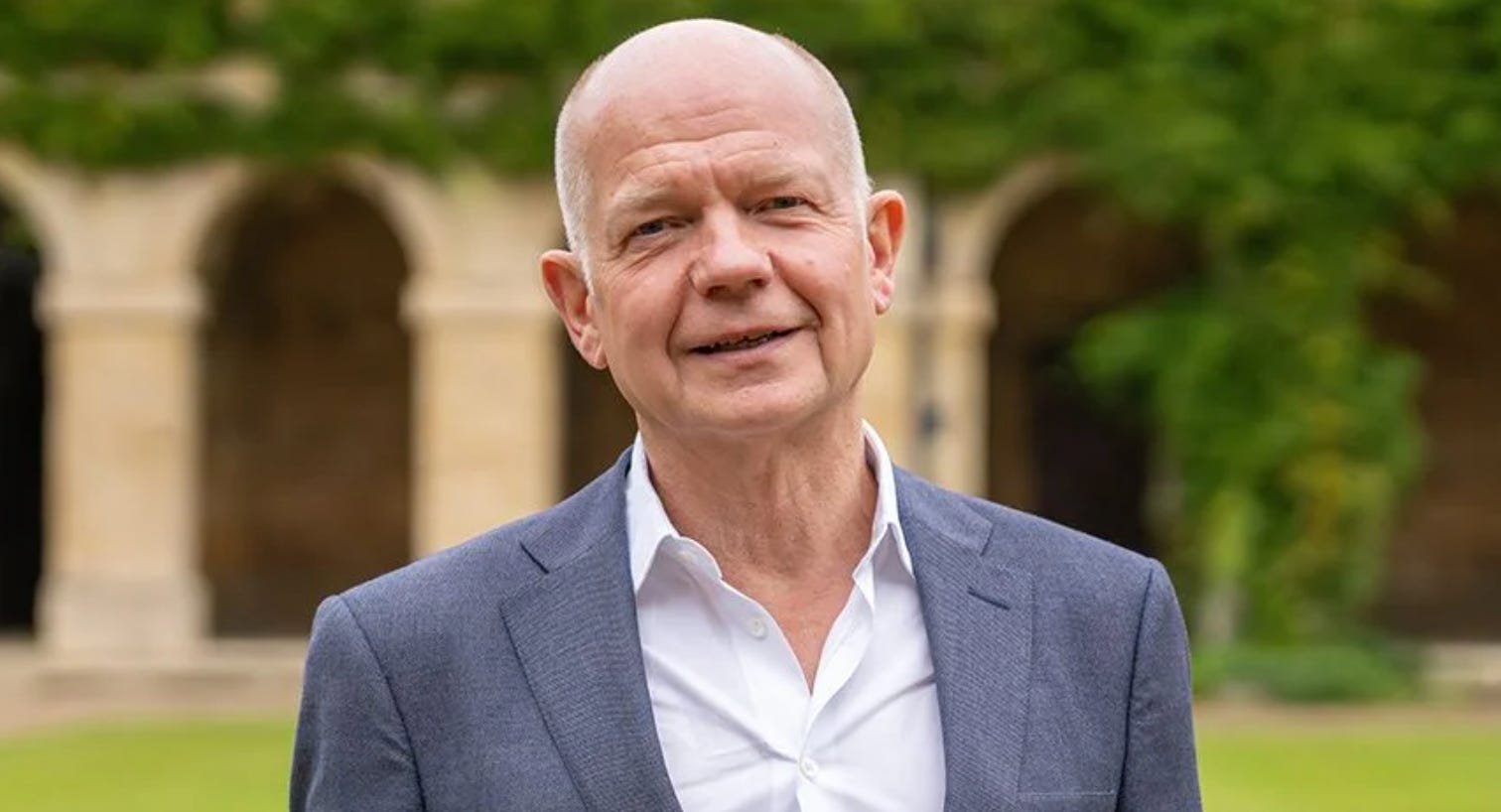
William Hague
Chancellor of Oxford University, former leader of the Conservative Party and ex-UK foreign minister.
Stop the bots if we want to save democracy, The Times (of London), 2 February 2026.
Much more use could be made of citizens’ assemblies. Wouldn’t the debates on assisted dying have benefited from parliament convening a body of citizens giving their informed views, as Demos advocated? Or couldn’t ministers have saved themselves the endless U-turns on digital ID if they had asked such an assembly what they thought? If Ireland could sort out its abortion laws that way, many intractable issues could be tackled with the participation of voter.
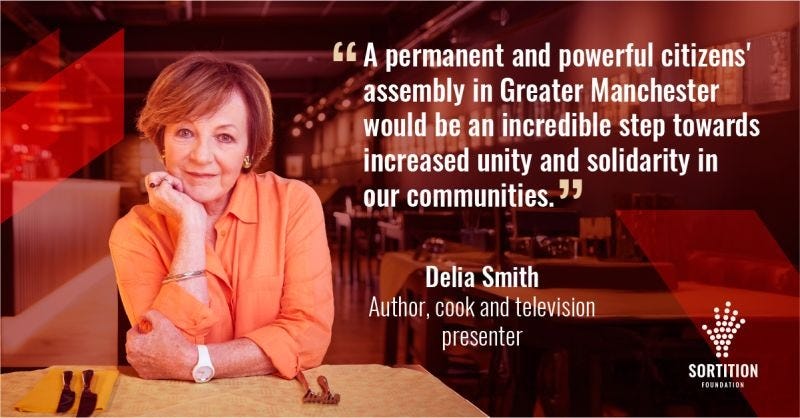
Delia Smith
Author, cook and television presenter.
Campaiging for a citizens’ assembly in Manchester, November 2025.

Jimmy Wales
The American founder of Wikipedia distilled the ideas of his book The Seven Rules of Trust: Why It Is Today’s Essential Superpower for the UK outlet The Standard on 31 October 2025.
Wikipedia was built on an initial act of trust. Uber gives trust. Juries give trust. When a handful of randomly selected people are chosen to judge something as serious as an accusation of murder, the message is: “We trust you.” Most people take that very seriously. That’s why juries generally work quite well. Now think about democracy itself. Authoritarian governments are saying: “We don’t trust you.” Democratic governments that do put control in the hands of voters say: “We trust you.” So it is no surprise that political scientists have found that trust and democracy are strongly correlated. So: boost democracy by boosting trust.
Ireland has had amazing success bringing together randomly selected citizens for Citizens’ Assemblies. These assemblies gather research, hear from experts, debate and make recommendations. They have helped Ireland tackle some of the toughest issues, from constitutional reform to abortion. Lots of other countries from Belgium to Iceland have tried something similar. There are many reasons to try these experiments in democracy, but for our purposes they could be invaluable because they get people from opposed camps to talk and worth together while simultaneously sending a message to the wider public: “We trust you.”
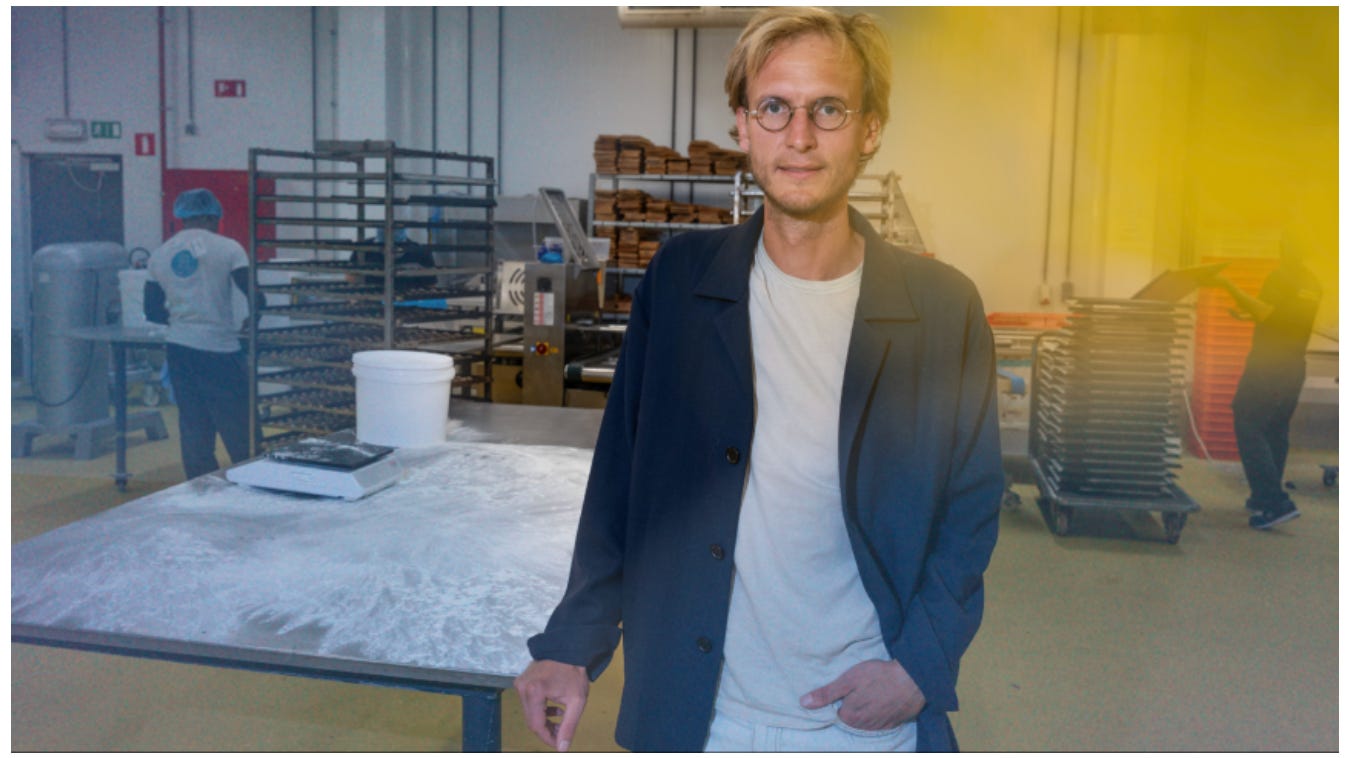
Alexandre Helson
Chief executive of Maison Dandoy and the seventh generation member of the family that owns the Belgian fine biscuit maker.
Face à l’impasse politique, osons une convention citoyenne [Faced with the political Let’s dare to have a citizens’ assembly], letter to Belgium’s leading French-language newspaper Le Soir, 23 October 2025. He was commenting on a then 500-day failure to form a government for the region of Brussels.
Aujourd’hui, aucun véritable projet de société — si ce n’est la contraction des déficits budgétaires, dans le seul but de satisfaire les agences de notation américaines comme Standard & Poor’s — n’est sur la table.
C’est affligeant.
Et si, pendant que nos élus tentent depuis des mois de trouver du commun, nous prenions le relais ?
Et si nous osions une grande convention citoyenne participative ?
Une expérience collective, inscrite dans une logique de démocratie délibérative, pour restaurer la confiance et refaire de la démocratie ce qu’elle devrait être : la lente construction d’un langage commun.
In English:
Today, no real societal project—aside from reducing budget deficits solely to appease American rating agencies like Standard & Poor’s—is on the table.
It’s appalling.
What if, while our elected officials have been trying for months to find common ground, we took over?
What if we dared to hold a large, participatory citizens’ assembly?
A collective experience, grounded in the principles of deliberative democracy, to restore trust and remake democracy what it should be: the slow construction of a shared language.
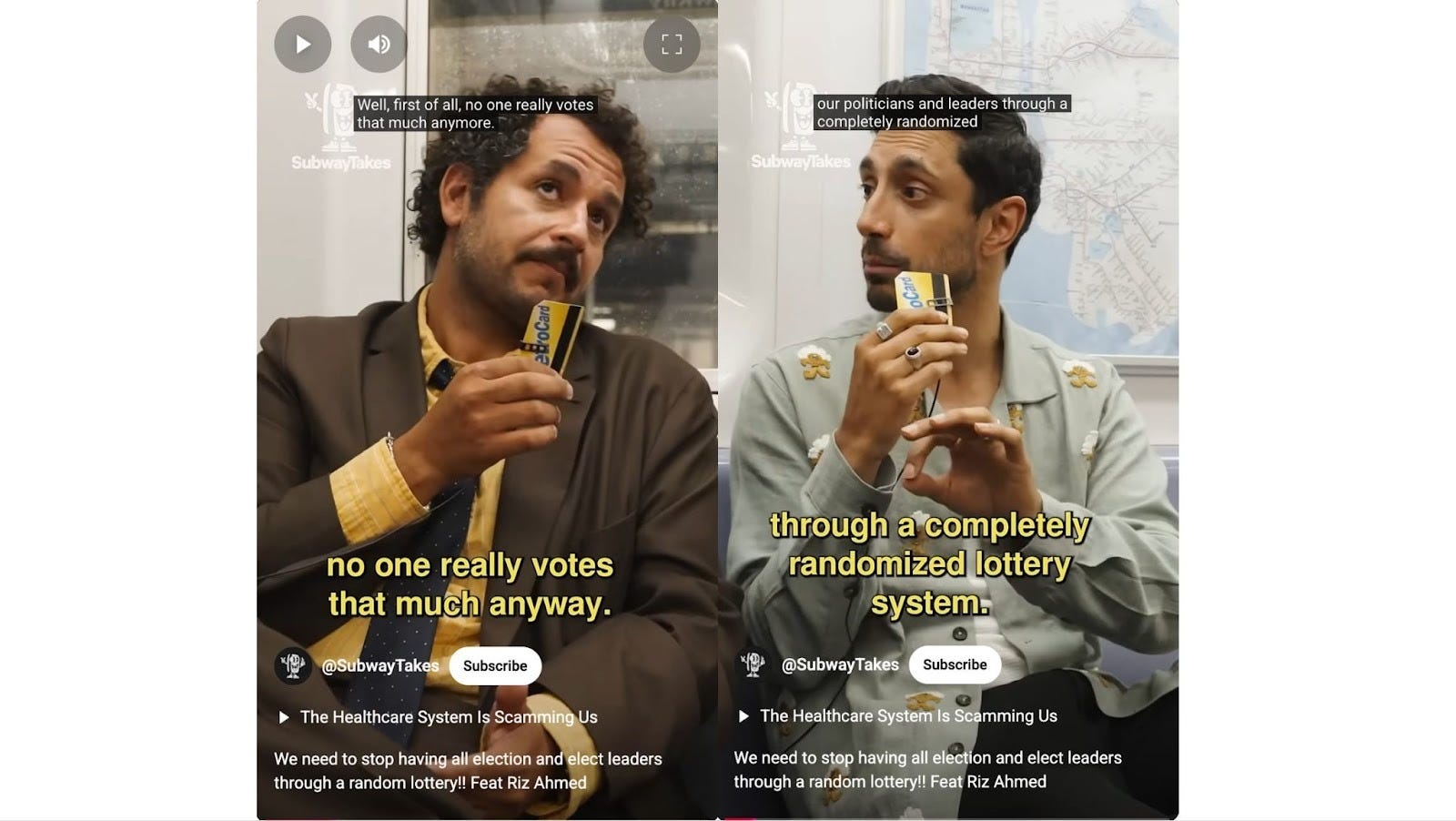
Riz Ahmed
British actor, interview on YouTube, October 2025. Check out the 6000+ comments. Almost all of them supportive, many along the lines of “I’ve never personally gone from 100% disagree to 100% agree faster”. I commented on Substack here. Here’s part of what Ahmed said:
We need to stop having all elections of any kind. And we need to choose all of our politicians and leaders through a completely randomised lottery system…no one really votes that much any more. I mean, turnout is pretty low … second of all, what are you afraid of, if you do that? That we might get bad politicians?
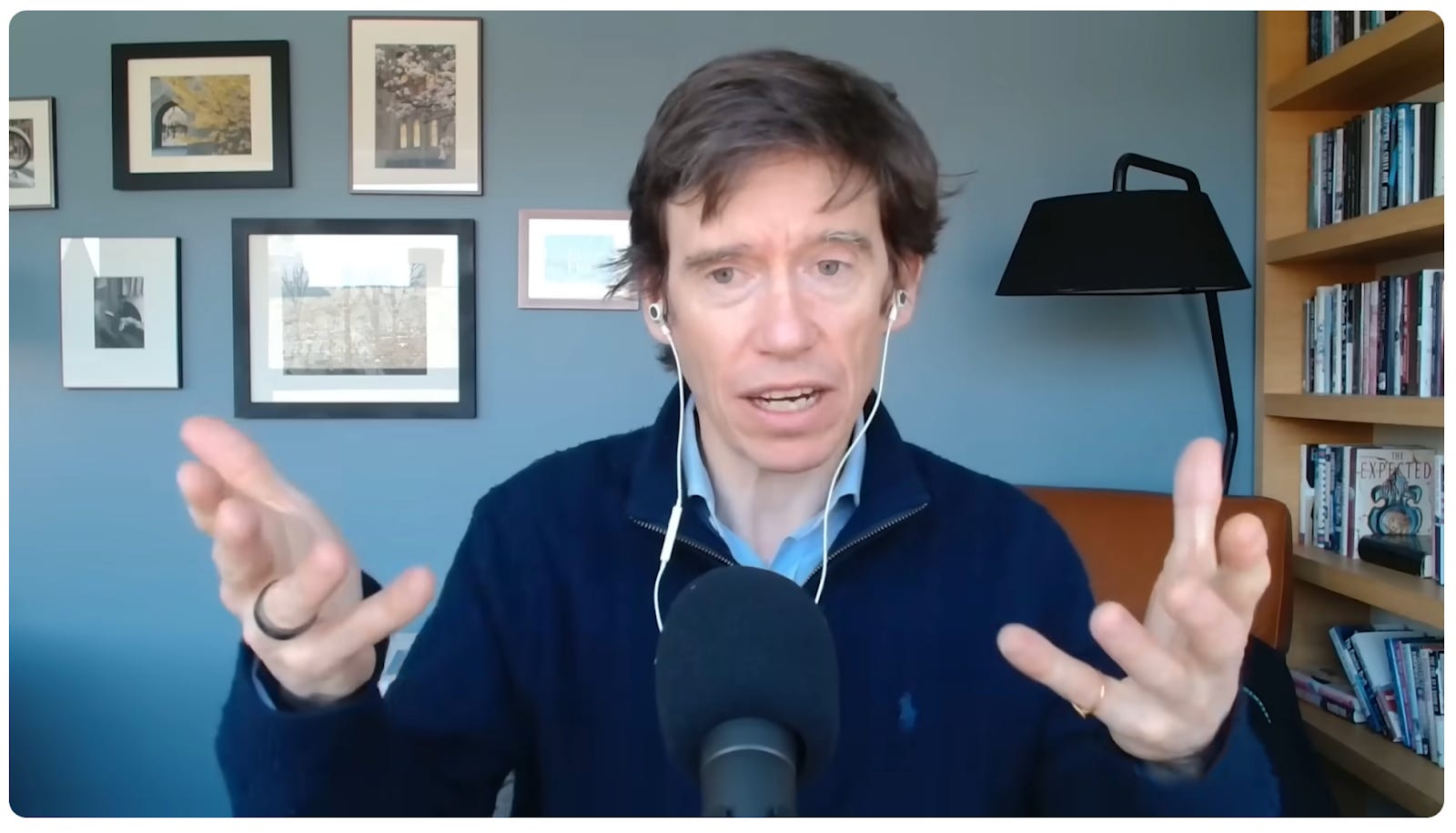
Rory Stewart
Political podcaster, author and former UK member of parliament. His comments come from the The Rest is Politics show on 3 April 2025. For the full context of his April 2025 comments take a look at my Substack here. My previous Substack on the steady drumbeat criticism of the system of parliamentary representation on The Rest is Politics podcast here.
“I am increasingly excited by an alternative model, which is the model of citizens’ assemblies. I’m not sure it fixes everything, but citizens’ assemblies … are like a jury, a totally separate system. It works on sortition, so you randomly select people and then you bring them together for a period of time to discuss policy issues. It’s usually quite well-organised, so there’ll be experts that can be brought in to talk about things and they discuss together.
“The great thing about it is that it is not party political. It’s ordinary people. It’s not a question of one person representing others. It’s 300 people who are very, very democratically diverse, discussing things and in my experience it doesn’t matter whether you’re talking about climate in Cumbria or bicycle lanes in London, or talking about abortion in Ireland. Actually you end up with a much more thoughtful non-partisan discussion.
“Members of parliament hate it. They say Parliament is a citizens’ assembly. [MPs] are pretty anti-democratic, they’re pretty terrified about the idea of ordinary people having a view. They somehow think they are much more qualified and know what they’re doing … I’ve got an instinct which I can’t quite prove yet but that if Britain went down more of a sort of a Swiss citizens’ assembly devolved model, it would end up in a much, much happier place than trying to cling on to the old style of elite representation.”
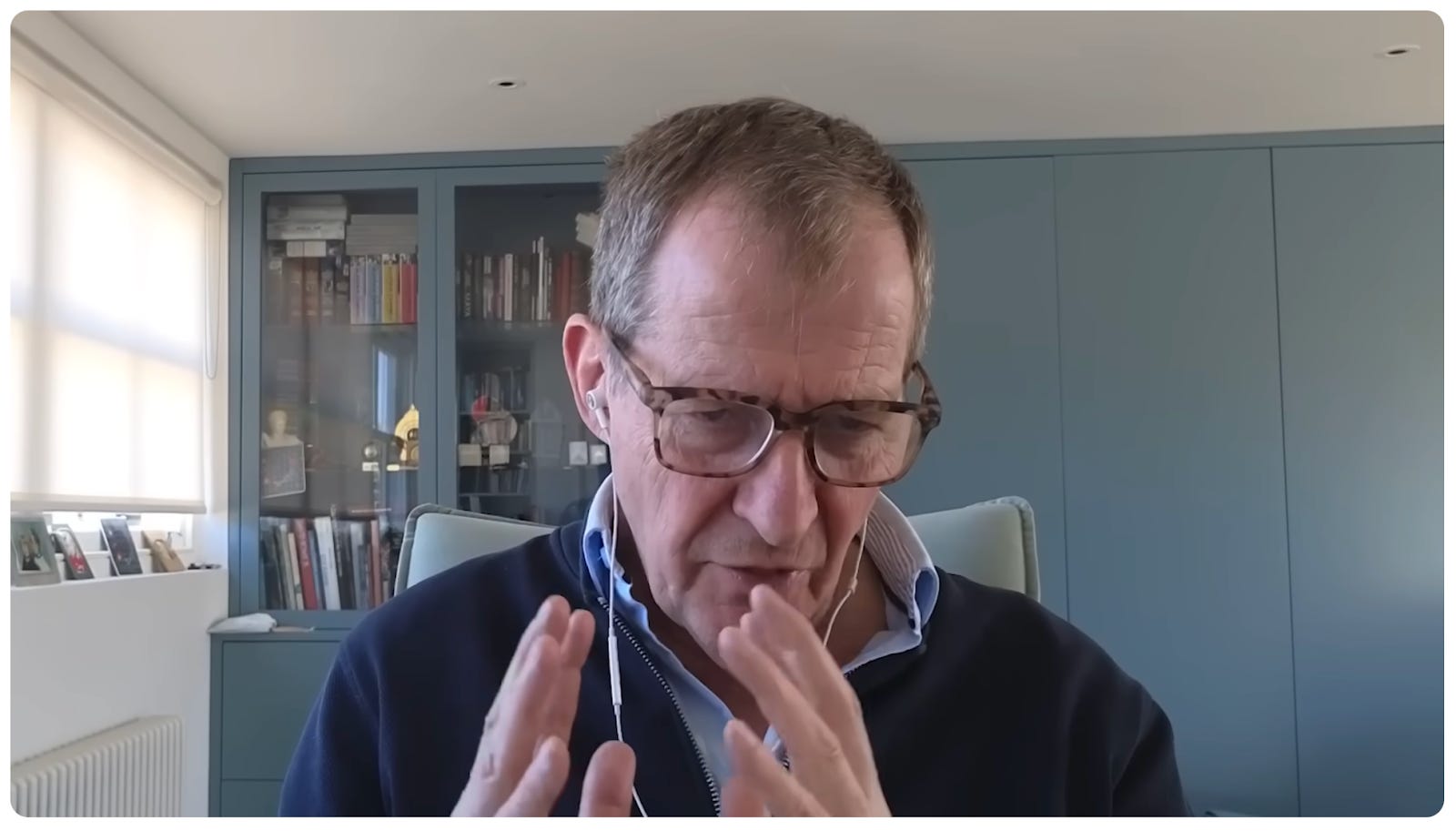
Alastair Campbell
British podcaster, author and former UK Labour Party spokesman, on the Rest is Politics podcast of 3 April 2025. For the context of his April comments see my Substack here. For the steady drumbeat criticism of the system of parliamentary representation on The Rest is Politics podcast, see my previous article here.
I sort of feel the system is creaking, the respect for it is not there in the same way that it was. The only way you’re going to maybe rebuild that is to create a new sort of system, [in the making] of which people feel much more directly involved.
You will always have to have somebody leading the country, a Prime Minister-type figure. You will always have to have legislative, decision-making bodies who have final votes on a situation. But I completely agree with you [in supporting citizens’ assemblies.”
[Campbell noted the success of Ireland’s citizens’ assembly that led to the lifting of bans on abortion, and then suggested doing citizens’ assemblies in the UK on] these big social and moral issues, in particular. If we took them out of Westminster, and built that citizens assembly model [to deal with them], and then at some stage brought them back [to the elected parliament].
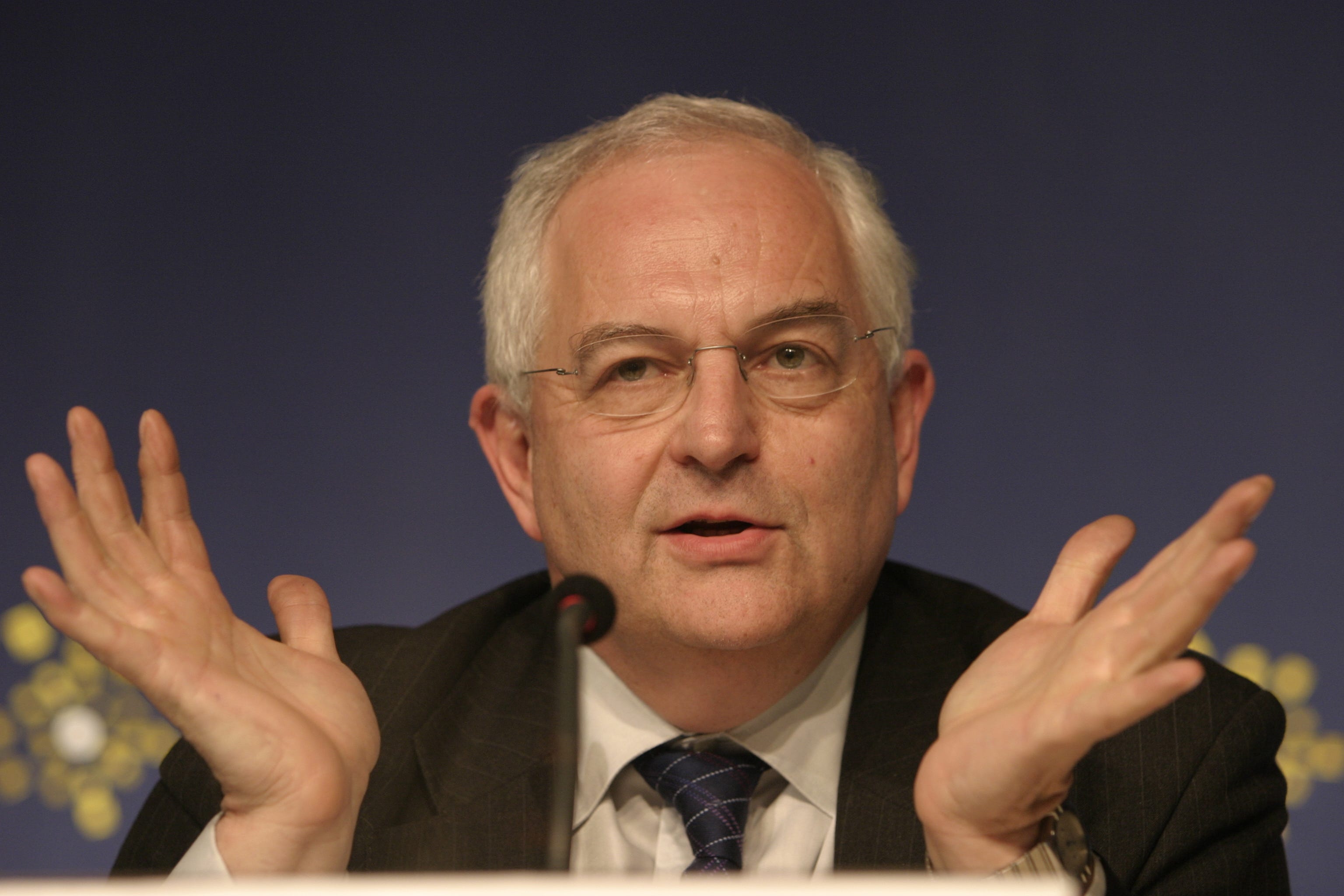
Martin Wolf
Chief Economics Editor at London’s Financial Times. On 28 May 2023, his widely read weekly column endorsed citizens’ assemblies at length under the headline Citizens’ juries can help fix democracy.
Our democratic processes do not work very well. Adding referendums to elections does not solve the problem. But adding citizens’ assemblies might.
In his farewell address, George Washington warned against the spirit of faction. He argued that the “alternate domination of one faction over another . . . is itself a frightful despotism. But . . . The disorders and miseries which result gradually incline the minds of men to seek security and repose in the absolute power of an individual”. If one looks at the US today, that peril is evident. In current electoral politics, manipulation of the emotions of a rationally ill-informed electorate is the path to power. The outcome is likely to be rule by those with the greatest talent for demagogy.
Elections are necessary. But unbridled majoritarianism is a disaster. A successful liberal democracy requires constraining institutions: independent oversight over elections, an independent judiciary and an independent bureaucracy. But are they enough? No. In my book, The Crisis of Democratic Capitalism, I follow the Australian economist Nicholas Gruen in arguing for the addition of citizens’ assemblies or citizens’ juries. These would insert an important element of ancient Greek democracy into the parliamentary tradition.
There are two arguments for introducing sortition (lottery) into the political process. First, these assemblies would be more representative than professional politicians can ever be. Second, it would temper the impact of political campaigning, nowadays made more distorting by the arts of advertising and the algorithms of social media.
A modest way to do this is to introduce citizens’ juries to advise on contentious issues. These juries would be time-limited, compensated for their time and be advised by experts … The introduction of citizens directly into the political process, in the way that is familiar from juries, could introduce the common sense of the public into politics in a way that would be complementary to elections of political leaders.

Stephen Fry
British comedian and author. Fry spoke out about citizens’ assemblies, democracy and sortition on a UK panel show in early 2023.
There is a system which guarantees a certain number of things. It guarantees for example that powerful interest groups can have no influence whatsoever on the outcome. Unlike the current system, where elections are won by people who are good at winning elections, it does not favor the charismatic, the rich, the well educated, or the well connected. Votes cannot be bought. It’s impossible in this system to be corrupt.
It’s called sortition. It’s what the Greeks used. It is, quite simply, lottery. It is the same way we choose a jury. Your are told for a certain number of years you are going to be a politician. It’s a brilliant idea. Sortition is a genuine system that was used by the first really great democracy, Greece, and it seemed to work very well. They believed that the idea of professional politician with vested interests was inimical to the idea of democracy - rule by people, ordinary people.
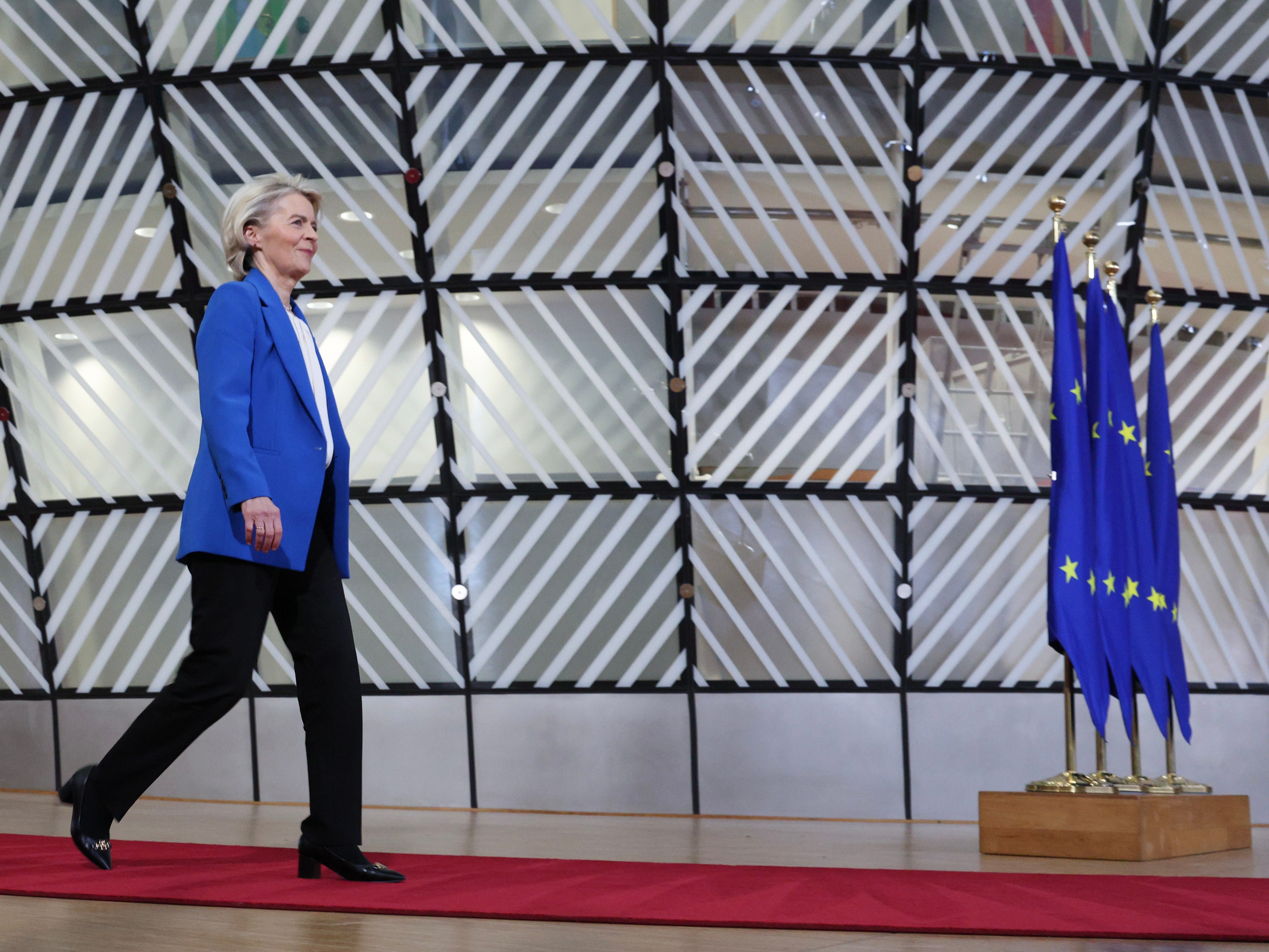
Ursula von der Leyen
President of the European Commission since 2019, former Minister of Defence in Germany and a leading conservative politician, von der Leyen in May 2022 made a notable decision to make randomly selected Citizens’ Panels a regular part of European Union thinking.
This form of democracy works. [Deliberative democracy should be given] more room, it should become part of the way we make policy. This is why I will propose that, in the future, we give citizens’ panels the time and resources to make recommendations before we present key legislative proposals. Because I am convinced that democracy does not end with elections, conferences or conventions. It needs to be worked on, nurtured and improved every day.
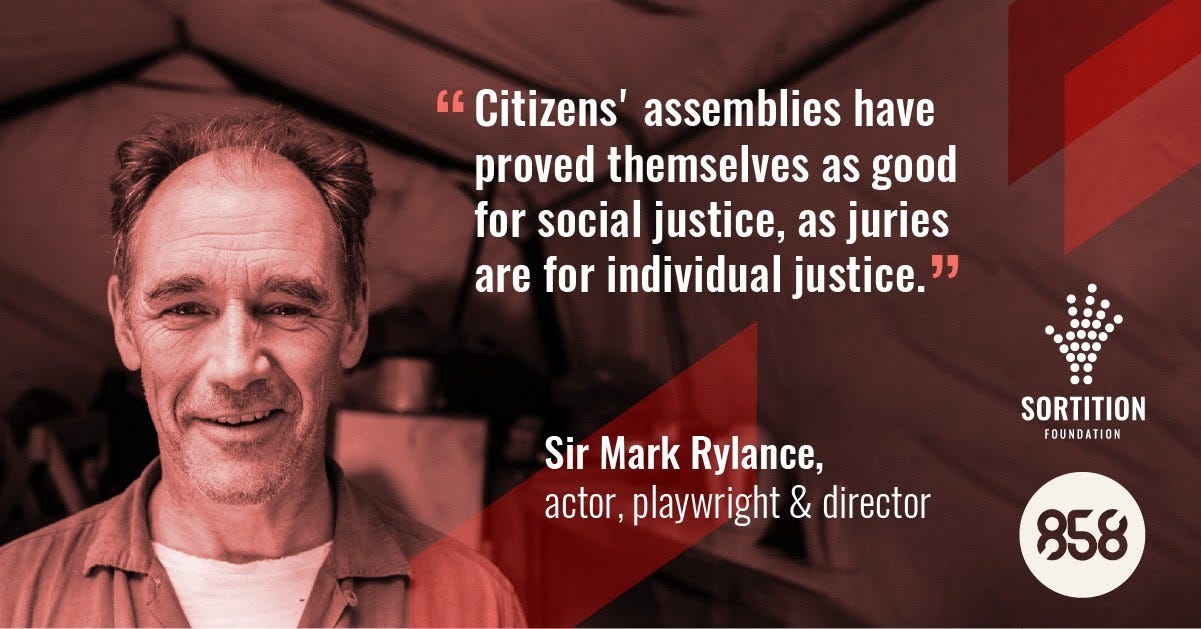
Sir Mark Rylance
British actor, playwright, director, seen above in the November 2025 campaign by the Sortition Foundation for a House of Citizens to replace the UK’s House of Lords. Below, he speaks on YouTube on 10 November 2021.
I’ve been inspired by the work of citizens’ assemblies … humanity is at a crossroads. The world is changing much faster than any of us expected … the decisions we make in the next few years will shape the future of humanity so it is humanity that must lead the way …
In politics, particularly, is it perhaps because our political systems were made for a different time. I have a lot of hope that the citizens assembly movement can remedy this. We the people need to show the way.
The Global Assembly [on climate] is making this possible by finding 100 people, chosen by a worldwide lottery, a bit like you’d choose a jury for a trial, a snapshot of the human family, to advise and make recommendations to the leaders of the COP 26 climate conference, where we have been welcomed … together, we can do much better than this.
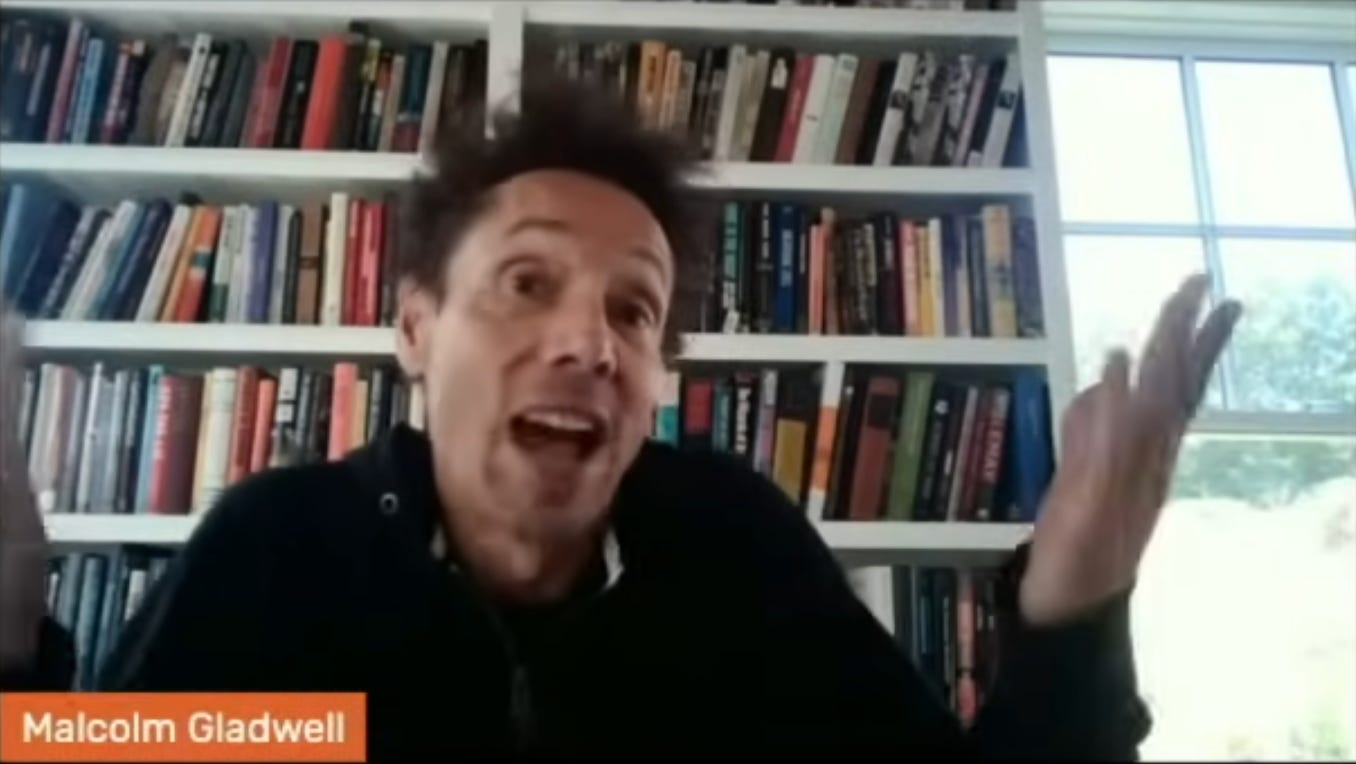
Malcolm Gladwell
Canadian journalist, author and public speaker. He talked with the educational platform Big Think in this 21 September 2020 episode Malcolm Gladwell: How would lottery-style elections change American politics?
I’ve always been interested in lotteries. I think lotteries are massively under-utilized. I just love the idea that when you choose something by chance, then you completely change the psychological and also the kind of ethical framework of the selection. If I chose the students of Harvard University by lottery, then you would feel very differently about having gone to Harvard, right? [Then it’s] an arbitrary privilege, not something that came to me because I’m a great person.
I ran across this guy named Adam Cronkright … who went to Bolivia and started trying to convince schools, public schools to choose their student governments by lottery … what he finds happens is something completely unexpected.
First of all, when you go to a lottery system, the number of people who run for higher office in a school grows dramatically. In other words, democratic elections, which we think are ways of throwing the field as far wide open as possible, don’t do that. They scare people off. Lotteries sort of feel wide open.
Secondly, he found that when you choose a student council president by lottery, they’re much more serious and have a much wider array of things they’re interested in doing. [It’s] much more diverse by definition … no longer [just] the popular kids, it’s everyone. So, they’re going to be interested in everything now.
Most importantly, he found that you could not predict who was going to be a really good student leader. All your expectations were upended … they realised that the whole premise of elections, which is that we can effectively predict who’s going to be a good leader, is nonsense.
I talk about scientific grants … When the NIH [the National Institutes of Health in the US] looked at the grants it gives out for research, they discovered there wasn’t a good correlation between how successful they thought a grant application should be and how successful it actually was. In other words, their predictions about which ideas would be the most worthy of funding were wrong. So what they proposed was maybe … we get rid of the obviously incompetent stuff, then we create a pool of any idea that seems pretty good. And then we choose from that pool, just pick winners at random…
In general, I think college admissions should just assemble a large pool of pretty good students and pick the winners by lottery. [For] job applications I think you just put together assemble a pool of pretty good [candidates and pick the winner by lottery …
When I look at the Democratic candidates for president this year, I could make a case for any of them. It’s not clear to me at all that we picked the best one. [In politics, however,] a full half of the job of elections is not just picking the best person, it’s buy-in. There’s a legitimacy of the process, even if we’re making the wrong decisions. They’re all of our decisions. We own it together.
Why do you think the system as it stands has a lot of buy-in? Every single president of the United States since its inception, with two exceptions, have been tall middle-aged white guys. Why do we have buy-in to a system that just elects the same person over and over and over and over again, and systematically excludes not just every woman and not just every person of color, but every short person.
Why can’t you get buy-in for a system that [is about] opening it up? If it’s about fully reflecting this crazy tapestry that we live in, why sort it at all? Let’s just open it up, [have] a free-for-all, literally a lottery, like jury duty. Democracy is a commitment to a system that you think fairly represents the population’s interests. I’m just proposing an alternate and I believe a more fair system.
Adam [Cronkright]’s core insight was when you had elections, three kids ran for student council president. When you had lotteries, in some cases, the entire school was running. That’s just so beautiful.
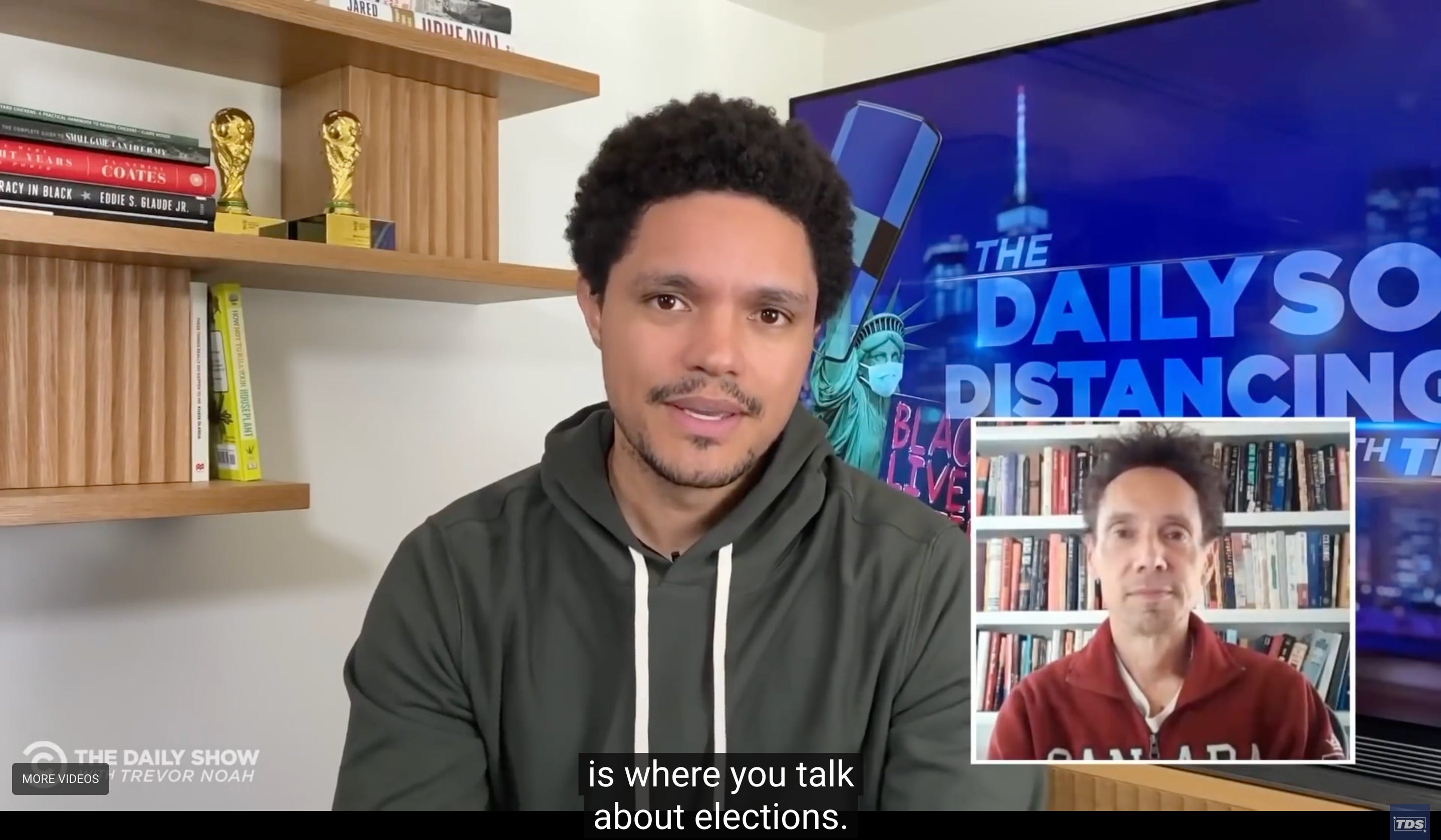
Trevor Noah
US-South African stand-up comedian in conversation with Malcolm Gladwell on The Daily Show, 8 September 2020.
One of my favourite episodes on the podcast is where you talk about elections. And what was really mind-blowing for me was getting to a place where I æ that was that as human beings we are horrible at predicting who is going to be a good leader. I found myself at the end of that podcast going wow, maybe elections should be lotteries. Maybe we should have no elections, no money being spent, no people campaigning, just a lottery system of all the people who want to run should run.
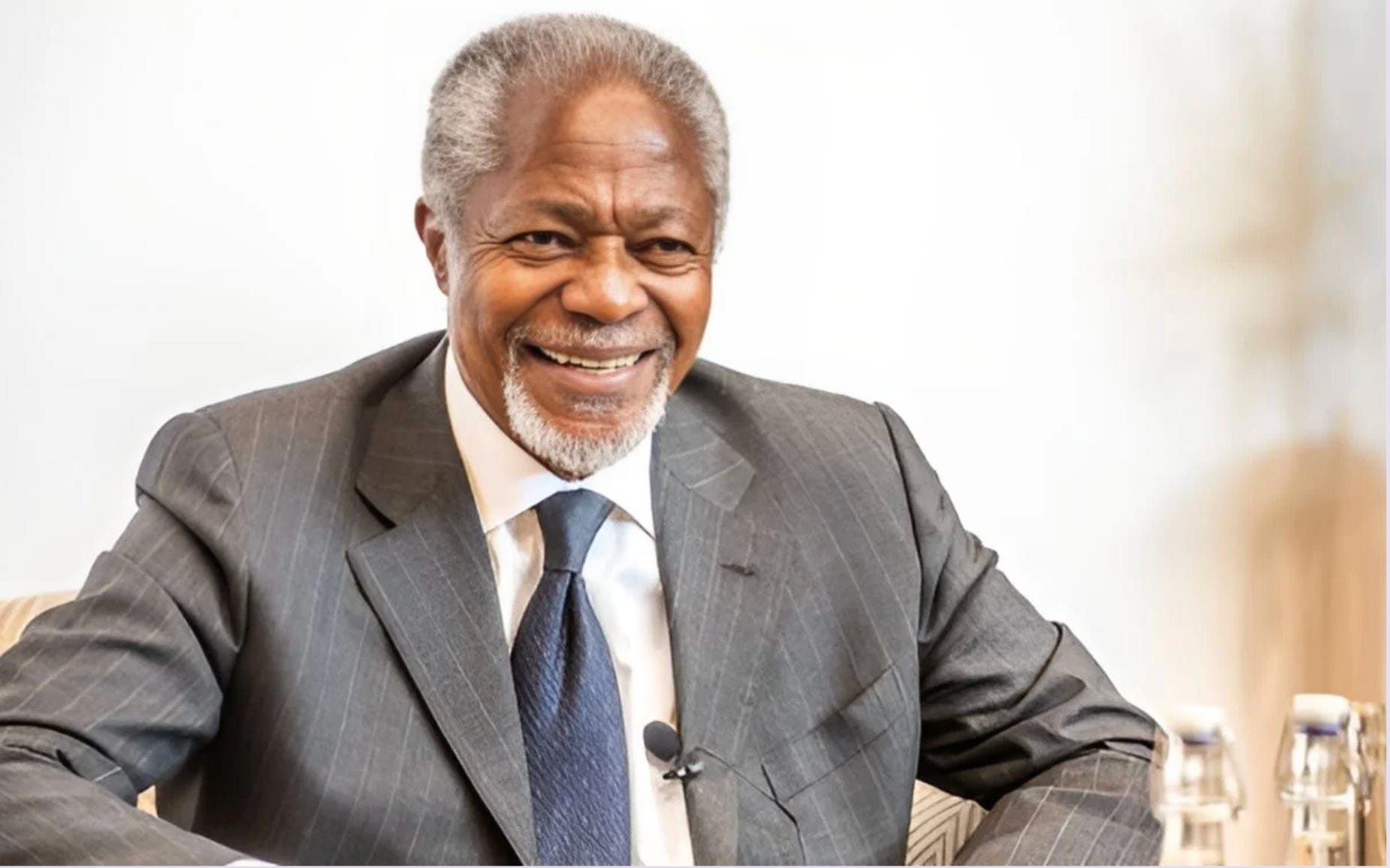
Kofi Annan
The former UN Secretary General had this to say on the need for democracy reforms in a 14 September 2017 speech to the Athens Democracy Forum.
We have to admit that democracy is experiencing a crisis of confidence. Not only does it face increasingly assertive opponents, but growing numbers of its beneficiaries either take it for granted, or else doubt its merits … democratic freedoms have been in retreat for eleven straight years in many parts of the world, with the emergence of an increasing number of elected authoritarians.
But even in democracy’s historic heartlands, we are witnessing a shift in the perceptions and practice of democracy evidenced by ever lower levels of voter participation, falling membership of political parties and declining trust in politicians and institutions…
We need to make our democracies more inclusive. This requires bold and innovative reforms to bring in the young, the poor and minorities into the political system. An interesting idea put forward by one of your speakers this week, Mr. Van Reybrouck, would be to reintroduce the ancient Greek practice of selecting parliaments by lot instead of election. In other words, parliamentarians would no longer be nominated by political parties, but chosen at random for a limited term, in the way many jury systems work. This would prevent the formation of self-serving and self-perpetuating political classes disconnected from their electorates.
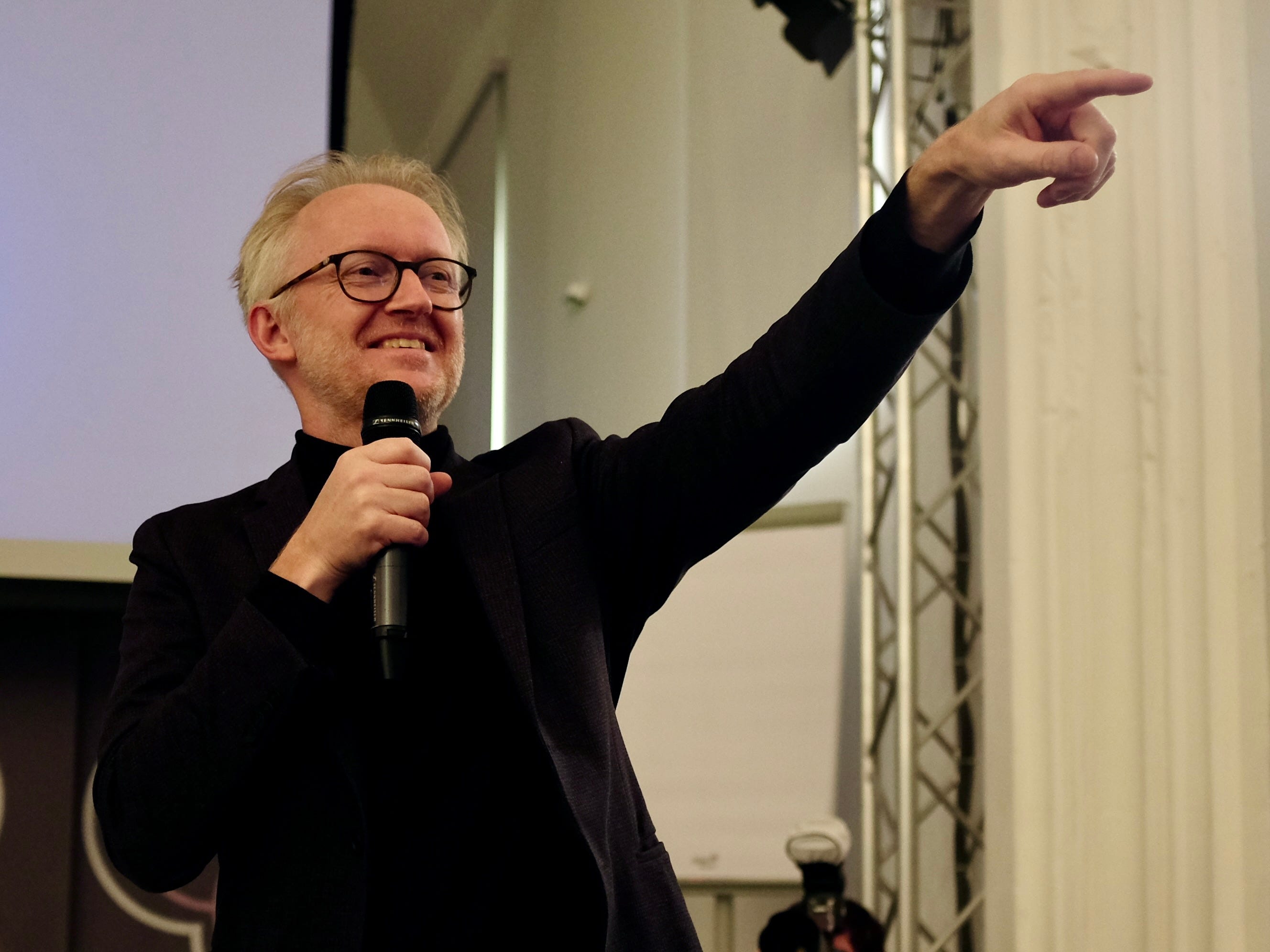
David Van Reybrouck
The Flemish archaeologist, poet, playwright and best-selling author of Congo and Revolusi was a leading light of Belgium’s G1000 citizens’ assembly in 2011. In 2025-27 he was chosen as ‘Denker der Nederlanden’, or philosopher laureate of the Low Countries. The text below is from the conclusion of his 2013 book Tegen Verkiezingen or Against Elections, now translated from Dutch into more than 23 languages:
We are destroying our democracy by confining it to elections, even though elections were never thought up as a democratic instrument … random selection, a historically much more democratic instrument, can be reintroduced today.
Without drastic adjustment, this system cannot last much longer. If you look at the decline in voter turnout and party membership, and at the way politicians are held in contempt, if you look at how difficult it is to form governments, how little they can do and how harshly they are punished for it, if you look at how quickly populism, technocracy and anti-parliamentarianism are rising, if you look at how more and more citizens are longing for participation and how quickly that desire can tip over into frustration, then you realise we are in it up to our necks.”
Worldwide political parties are seen as the most corrupt institutions on earth. How long can this still last? This is a time-bomb, the calm before the storm. It is the calm before 1850, when the question of labour still smouldered, but had not yet exploded. It is the calm before a long period of great instability. Back then [the great battles of democracy] were fought for the right to vote. Now it’s all about the right to speak. But in essence it’s the same battle, the battle for political emancipation and for democratic participation. We must decolonize democracy. We must democratise democracy.
Once again: what are we waiting for?

Yes, Prime Minister
The characters Sir Humphrey Appleby and Bernard Woolley inimitably lay open the iniquity of electoral democracy in “Power to the People,” the fifth episode of the second series of the hit British sitcom Yes, Prime Minister (broadcast on 2 January 1988). The following transcript has been edited down.
Bernard Woolley: It’s about time we reformed local government …
Sir Humphrey Appleby: … Bernard, once you create genuinely democratic local communities, it won’t stop there … You see, once they get established they’ll insist on more power. And the politicians will be too frightened to withhold them, so you’ll get regional government.
Bernard: Would that matter?
Sir Humphrey: Bernard, come and sit down. What happens at the moment if there is some vacant land in say, Nottingham, and there are rival proposals for its use, you know, a hospital, a college or an airport?
Bernard: Well, we set up an inter-departmental committee …
Sir Humphrey: Precisely. Months of fruitful work. Leading to a mature and responsible conclusion. But if you have regional government, they decide it all in Nottingham, probably in a couple of meetings. Complete amateurs!
Bernard: It is their city.
Sir Humphrey: And what happens to us?
Bernard: Much less work?
Sir Humprhey: Yes! Much less work. So little that ministers might almost be able to do it on their own. So we have much less power.
Bernard: Well, I don’t know that I really want power.
Sir Humphrey: If the right people don’t have power, do you know what happens? The wrong people get it. Politicians. Councillors. Ordinary voters.
Bernard: Aren’t they supposed to, in a democracy?
Sir Humphrey: This is a British democracy, Bernard
Bernard: How do you mean?
Sir Humphrey: British democracy recognises that you need a system to protect the important things of life and keep them out of the hands of the barbarians. Things like the opera. Radio Three. The countryside. The law. The universities. Both of them. And we are that system.
Bernard: Gosh.
Sir Humphrey: We run a civilised, aristocratic government machine tempered by occasional general elections. Since 1832, we have been gradually excluding the voter from government. Now, we’ve got them to a point where they just vote once every five years for which bunch of buffoons will try to interfere with our policies. And you are happy to see all that thrown away?
Abraham Lincoln
16th US President, 1809-1865. In his Peoria Speech, 16 October 1854:
What I want is to get done what the people desire to have done, and the question for me is how to find that out exactly.
G.K. Chesterton
British essayist 1874-1936. In an essay first published in Tremendous Trifles in 1909, Chesterton says:
All real democracy is an attempt (like that of a jolly hostess) to bring the shy people out.
Niccolo Machiavelli
Italian statesman and political philosopher, 1469-1527, writing in Discourses on Livy around 1515:
The people as a whole is more prudent, more stable and of better judgement than a prince.
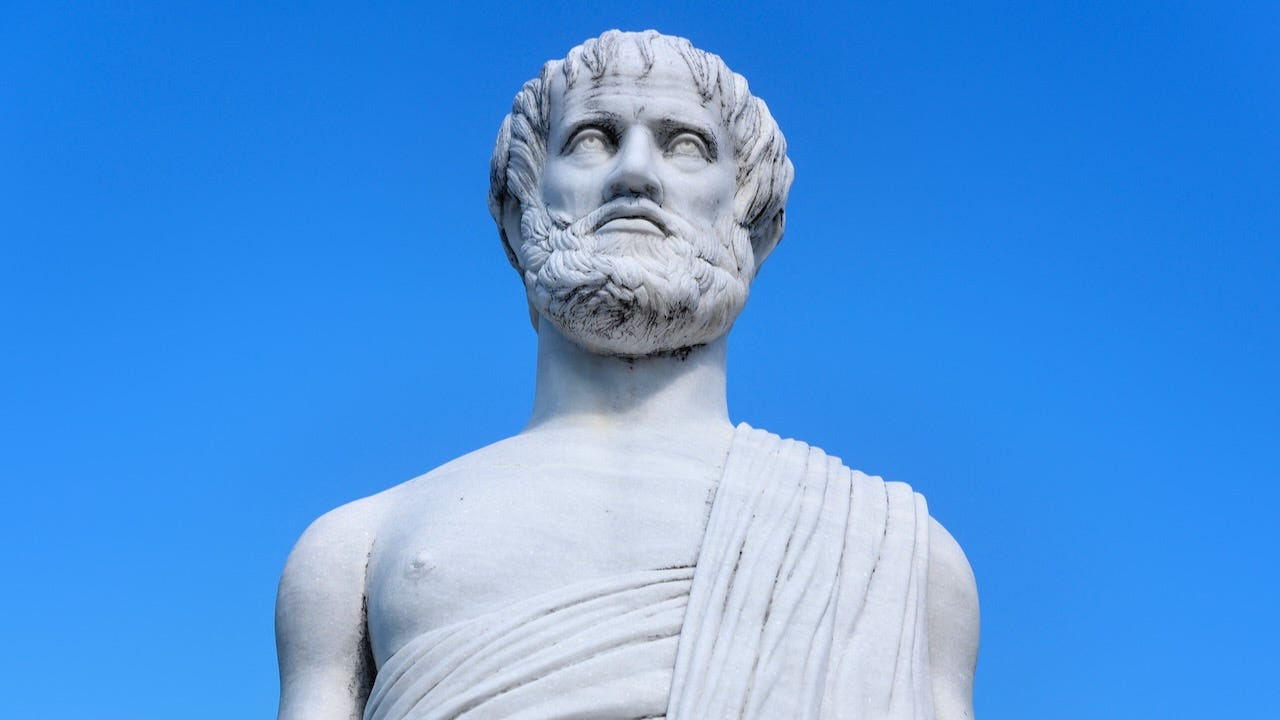
Aristotle
Greek philosopher, 384-322 BCE. In Politics (Book IV), Aristotle says:
It is accepted as democratic when public offices are allocated by lot; and as oligarchic when they are filled by election.
Such a helpful resource, Hugh! Would be great to add in the Americans and figures from other nations, have an ongoing database.
Dear Hugh, It would be fair for you to add David Van Reybrouck in your list. He is a (brilliant - in my humble opinion) Belgian historian an thinker, who published an essay titled "Against Elections: The Case for Democracy" (2016) where he advocates for a deliberative democracy based on sortition. The publication was based on the Belgian citizen experience called G1000 initiative. This was an experiment carried out in 2011 as a pioneering example of large-scale deliberative democracy using sortition to address Belgium's nerve-wracking political stalemate. I believe it would be great if you could get in contact with him to exchange and possibly learn from what Belgians tried then. Best, Mauricio Angel